
Drone and robotics solutions designed around your task
We develop drone and robotics solutions for industrial customers and public authorities. From feasibility analysis to commissioning, operated through our own control interface, CyberXHub.
This lets you automate recurring tasks such as patrols, inspections and documentation, using drones, docked drones and legged robots that launch on their own, complete their route and return to charge.
What drones and ground robots can do today
Surveillance
The drone watches over the solar farm and its grounds around the clock. When an alarm goes off, it launches automatically and the live feed goes straight to the control room. This takes routine patrols and alarm checks off your site security team.
Inspection
The robot makes its inspection round of the substation while the drone checks overhead lines and roofs. Defects are spotted before they turn into outages.
Surveying
The drone captures terrain and structures from the air. The data is turned into orthophotos, point clouds and 3D models for earthwork volumes and construction progress.
Documentation
The dock sends the drone over the construction site on a fixed schedule. Every image carries its location and time and stays comparable over months.
Live situational awareness
In CyberXHub, the drone's live feed goes straight to the control room. Incident command and the crisis team see the situation before anyone is sent out.
Transport
The robot carries material to where it is needed, over kerbs, stairs and rough ground. Heavy loads go by cargo drone.
Why robotics pays off
Lighter workload for specialists
The system handles routine tasks and your specialists assess the results.
Precise measurements
Identical execution and precise sensors deliver more accurate, comparable results.
Data you can analyse, not notes
Digitally captured data can be analysed to improve processes and results.
Predictable costs
You buy the system, and a maintenance contract makes running costs predictable.
Access to hazardous areas
The robot goes where terrain, climate or danger would stop people.
Round-the-clock operation
Weekends, bank holidays, nights. The systems are ready at any time and recharge on their own between missions.
Our solutions combine hardware and software
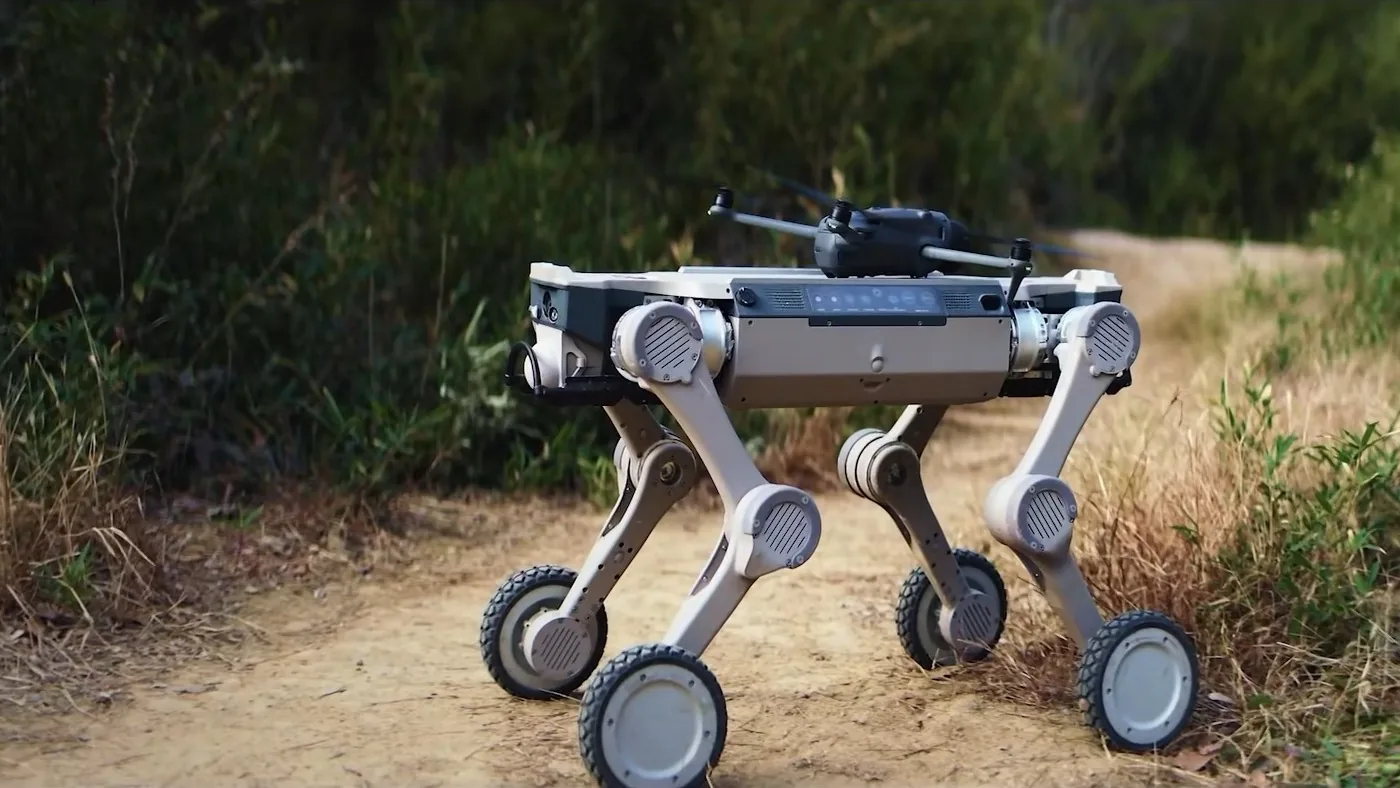
Hardware
The capability a task demands determines the system. A drone, a ground robot or both working as a swarm, each with the sensors it needs, from cameras and thermal imaging to LiDAR and GPS.
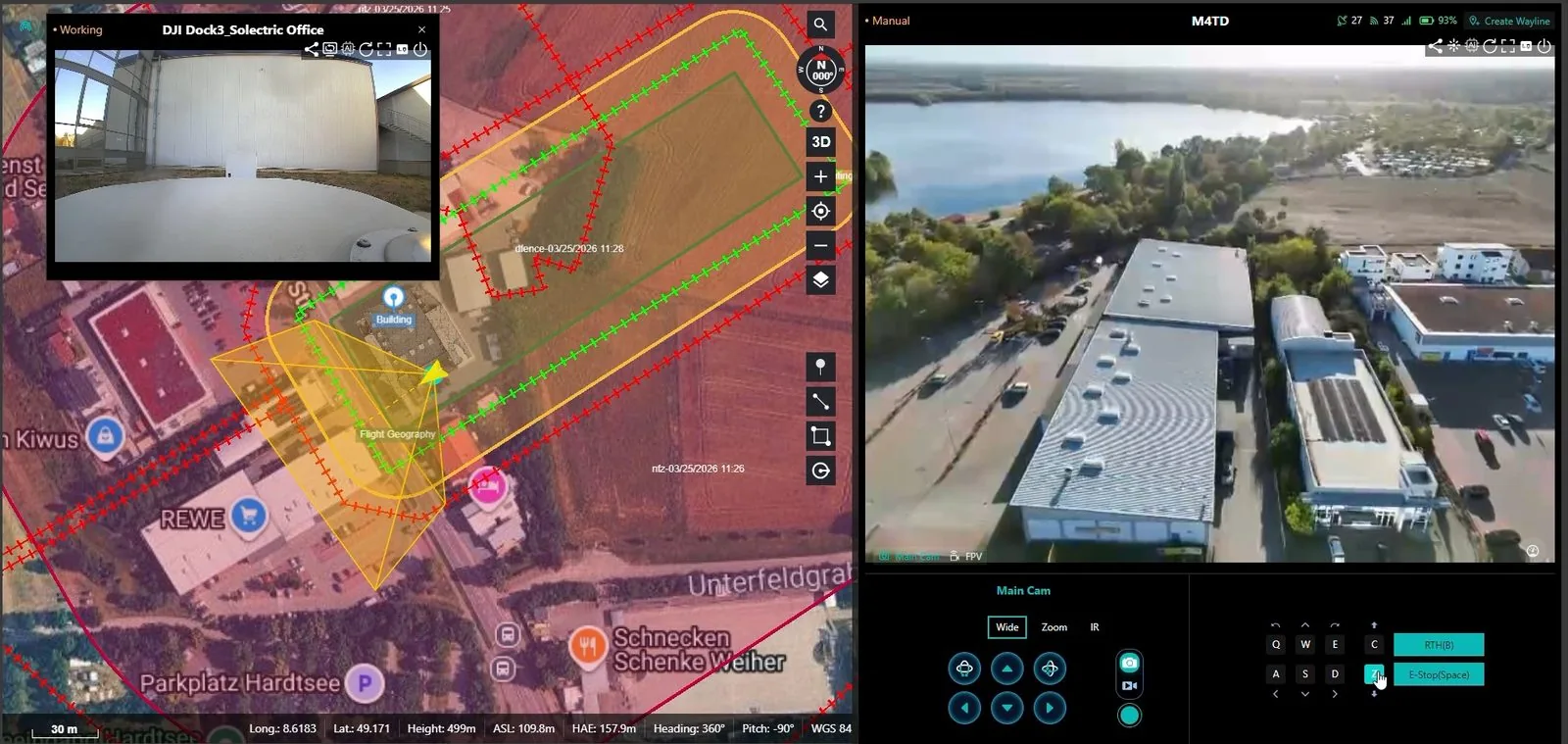
Software
We program the drone and robotics systems, integrate them with your IT and operational technology and run them on CyberXHub, the control interface we developed ourselves. With it, you plan missions, control the systems in real time and analyse the data.
How we develop a solution in six steps
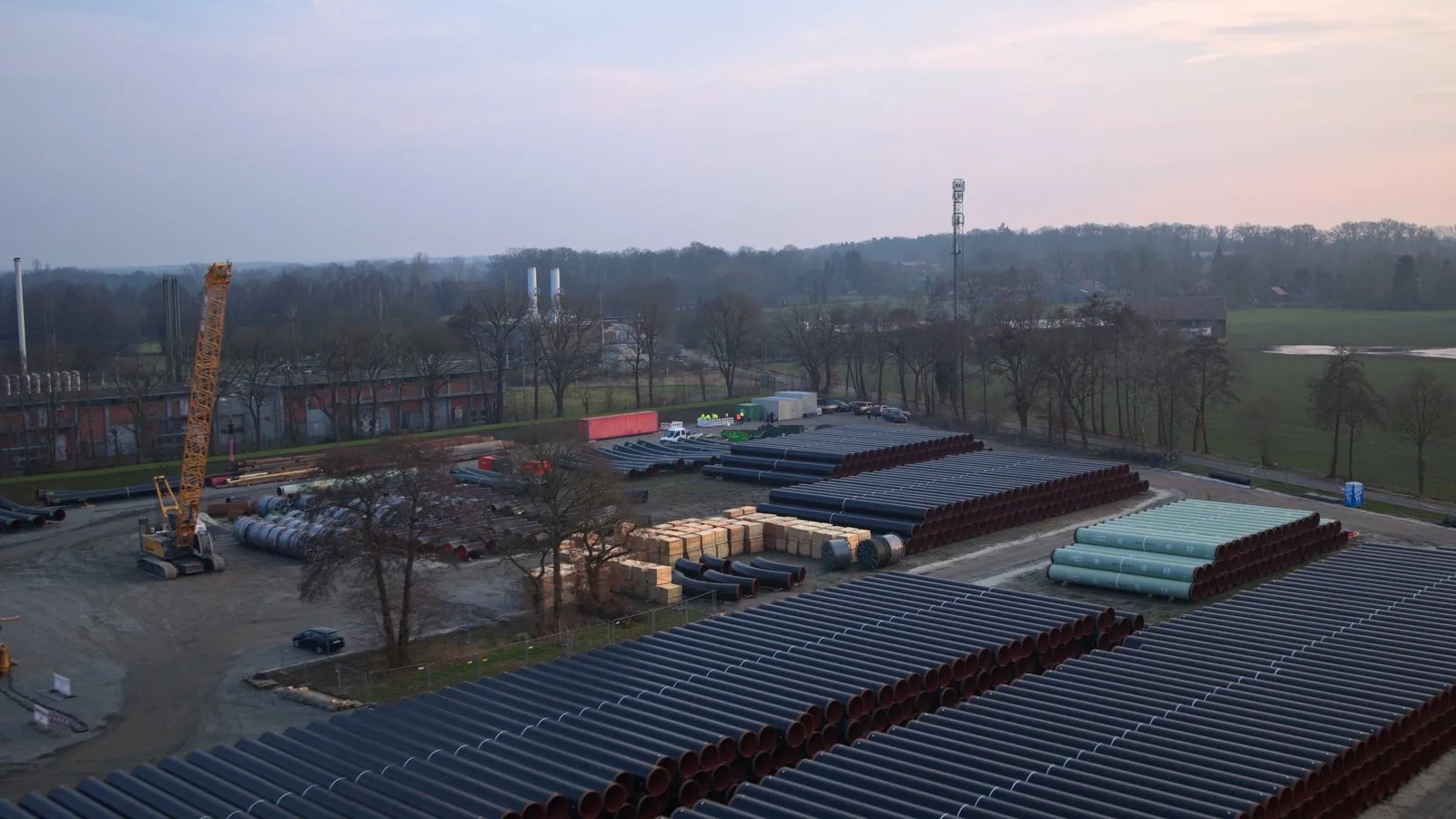
Feasibility analysis
Starting from your requirements, we analyse your site, the environmental conditions and the regulatory framework.
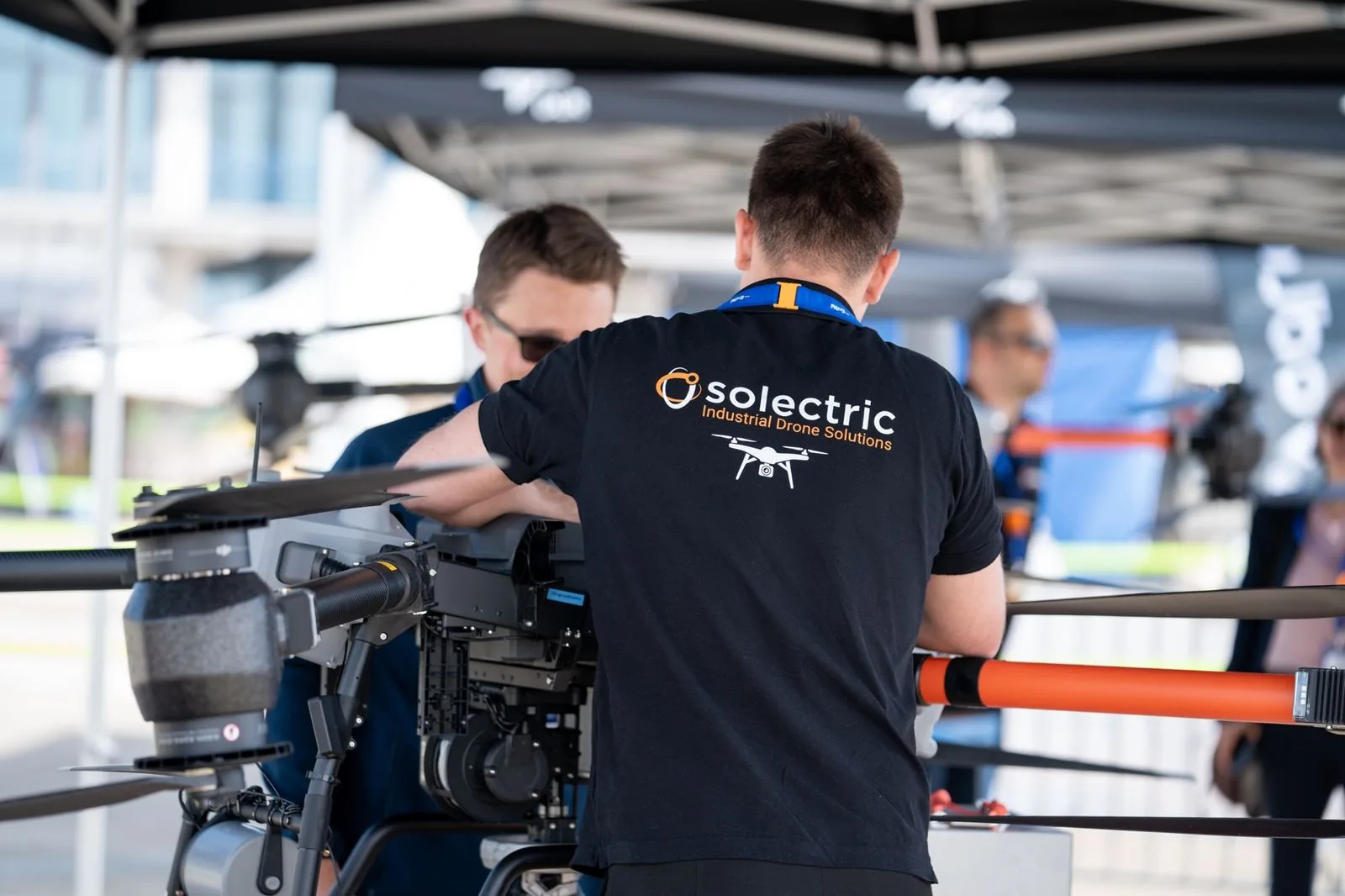
System design
We specify the hardware you need, whether drone, ground robot or both, along with sensors and interfaces, matched to your requirements and budget.
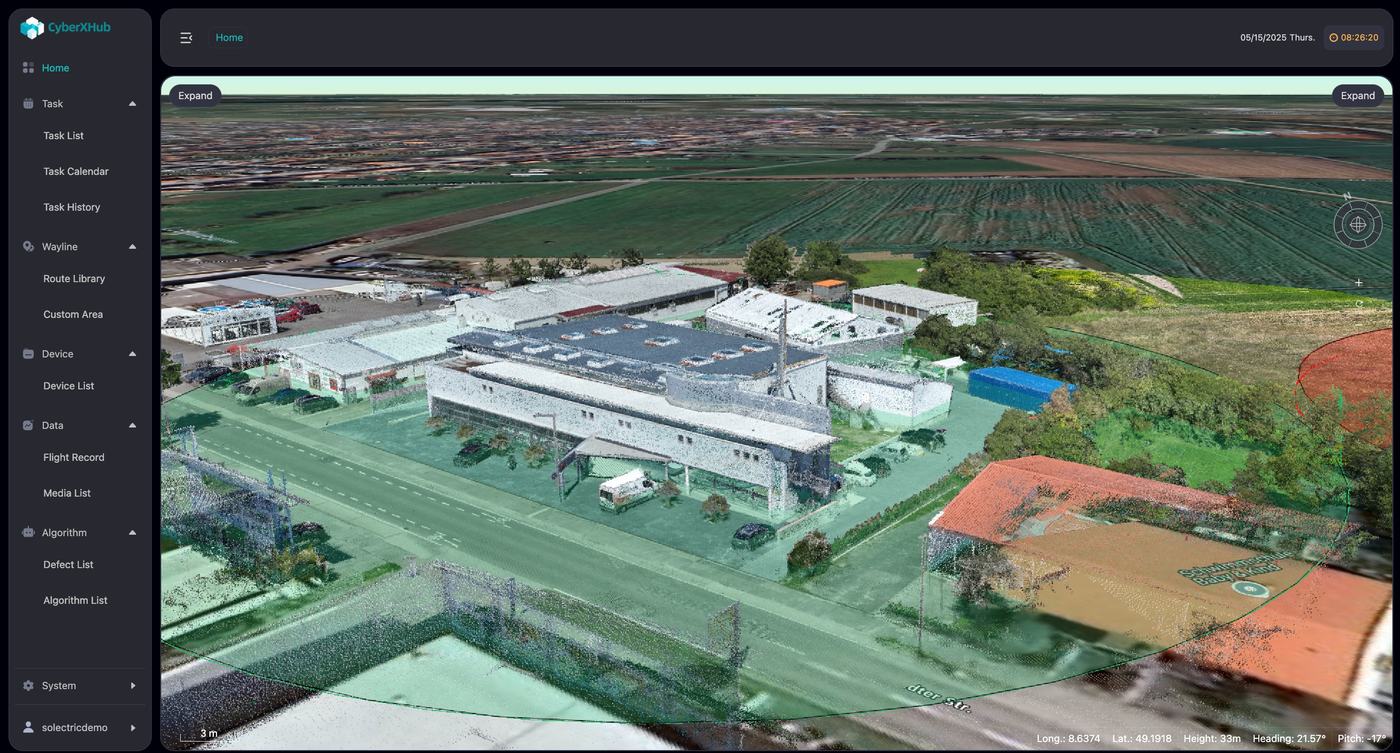
Simulation
We build a digital model of your site and run through routes, edge cases and faults virtually before the system drives or flies on site.
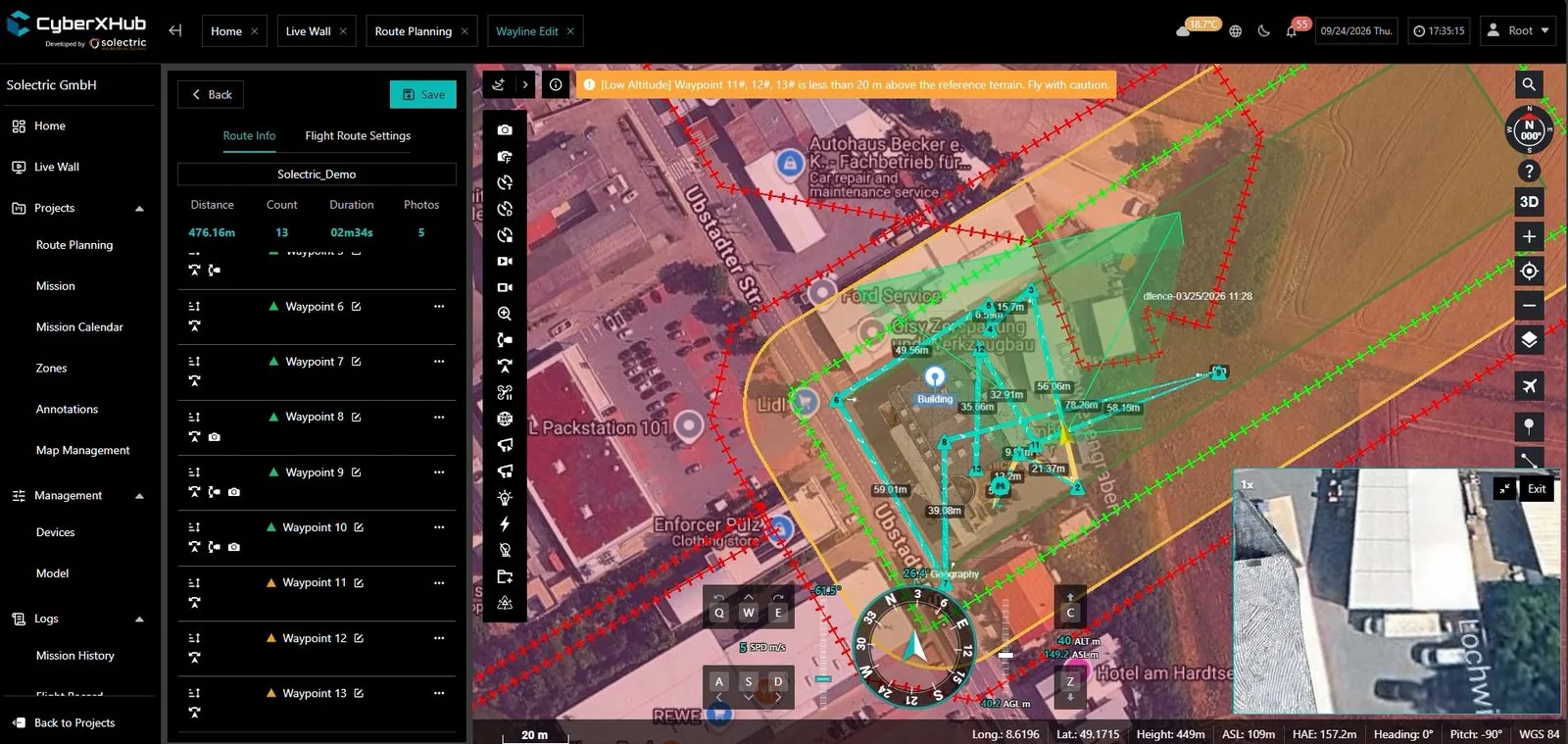
Training
The system learns your site and your processes and calibrates its focus and measurement points to your requirements.
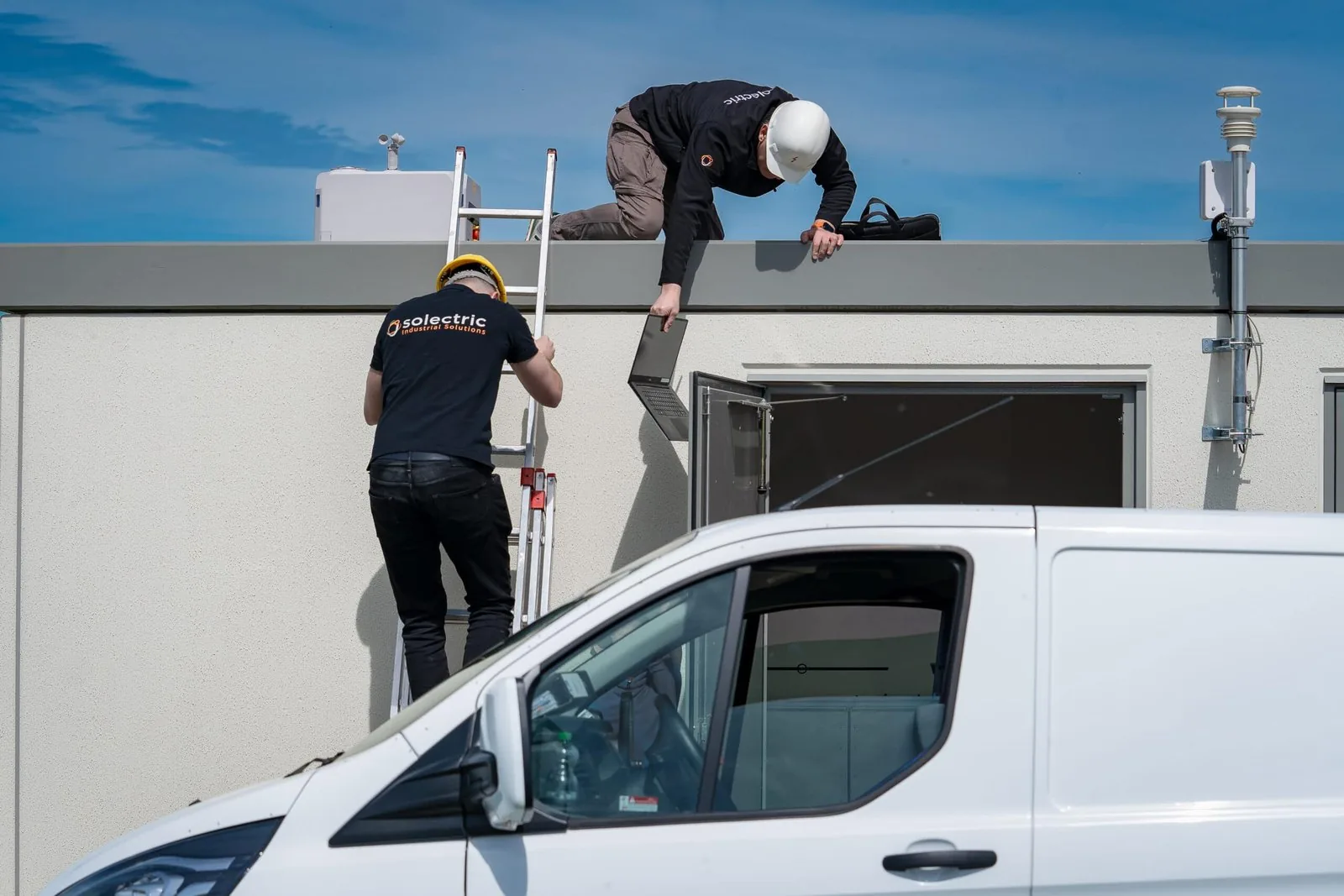
Commissioning and induction
On-site installation, integration into your IT network and security architecture, and hands-on training for your operators.
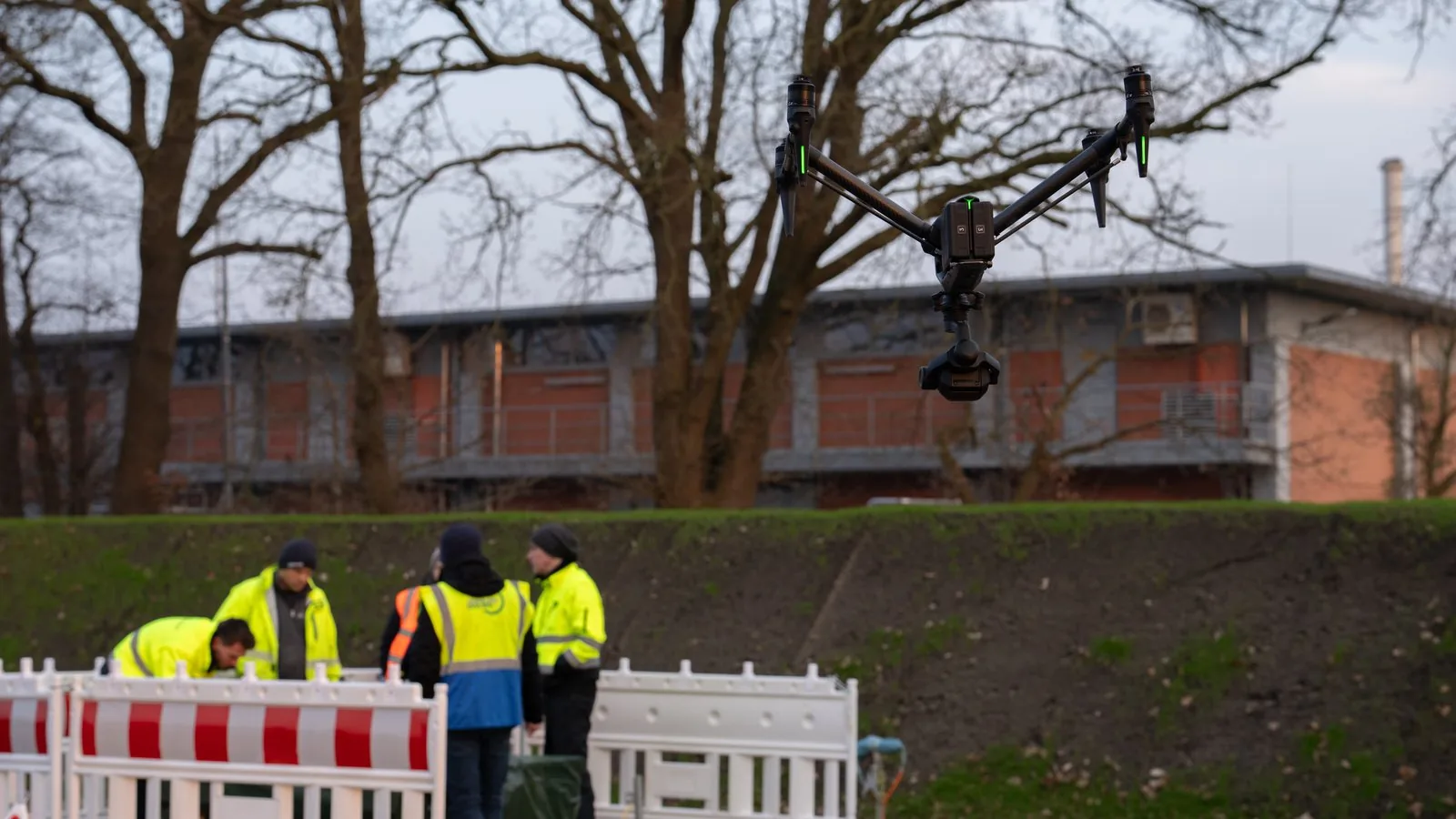
Operation and expansion
Support, software updates, maintenance and repairs. When needed, we extend the solution to further sites and new tasks.
Eight industries in focus

Energy and grids
Inspect overhead lines, track down faults, check substations.

Solar PV
Inspect modules with thermal imaging, detect and track theft, document construction progress.

Oil and gas
Fly along pipelines and corridors, inspect tanks and pipe bridges, measure gas.

Industry and chemicals
Run security patrols, read gauges, detect leaks and gas.

Construction and infrastructure
Document construction progress, survey sites, inspect bridges and structures.

Agriculture
Analyse crops, apply inputs precisely, save fawns before mowing.

Public authorities and rescue services
Maintain situational awareness during operations, search for missing persons and rescue people from the water.

Defence
Reconnoitre terrain, secure perimeters, check for unexploded ordnance.
Our customer projects
All customer projects
Intrusion and theft protection at a solar farm

Monitoring a solar park from the drone dock

Digital construction documentation from a drone dock
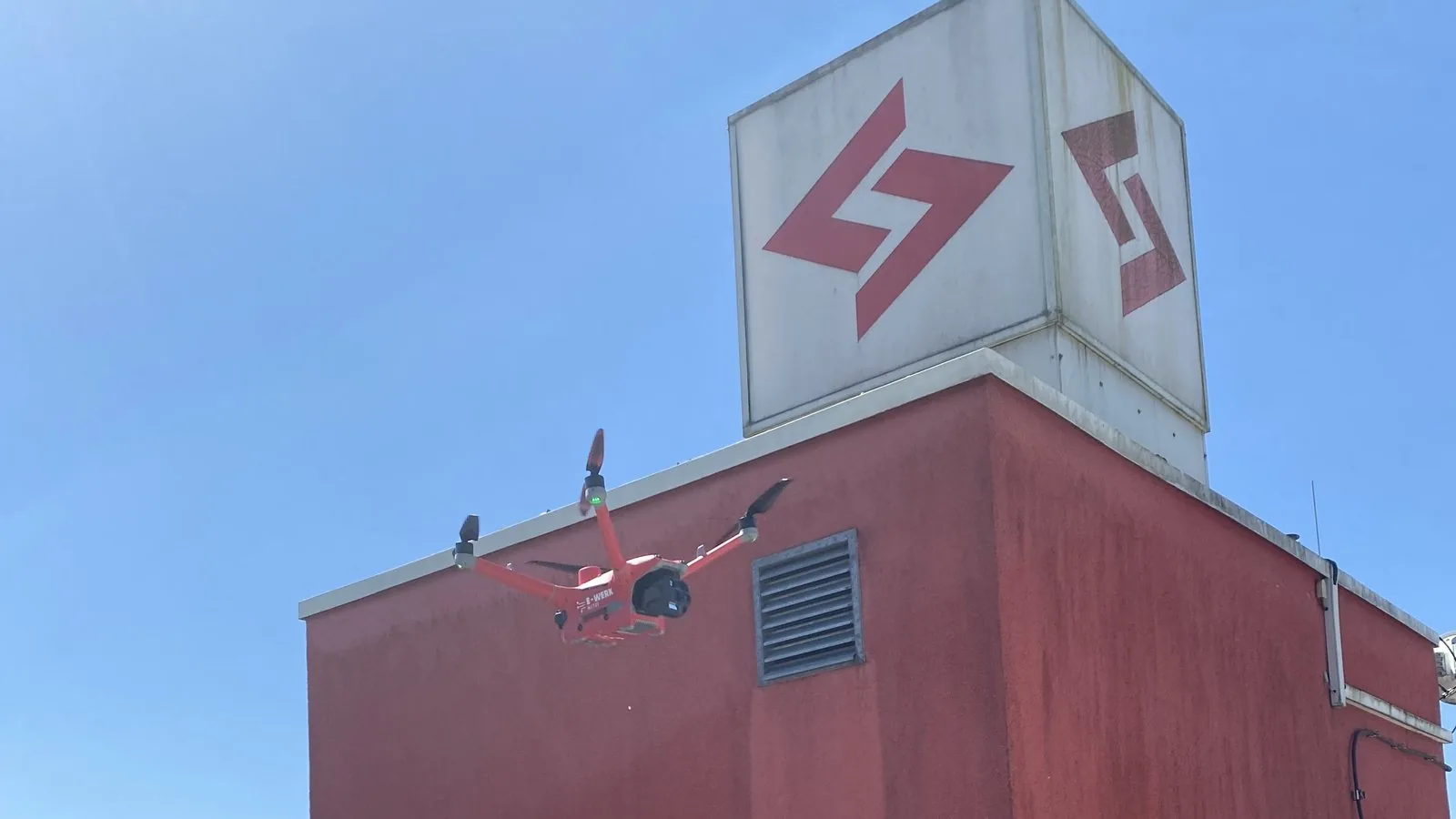
Aerial fault finding on overhead lines

Inspecting high-voltage lines automatically

Digital construction documentation and monitoring of critical infrastructure

Ice rescue with a cargo drone
Frequently asked questions
Which tasks can be automated with drones and robots?
Mainly recurring tasks outdoors and in facilities. These include patrols and site surveillance, inspections of power lines, solar modules and plants, surveying and construction documentation, situational awareness for emergency services and transport into hard-to-reach terrain. A feasibility study shows whether your task is suitable.
How does a docked drone differ from a conventional drone?
A docked drone takes off, lands and charges at its site on its own. It flies missions on a schedule or when an alarm is triggered, without a pilot on site. A conventional drone needs a pilot to bring it to the site and fly it every time.
When is a ground robot a better choice than a drone?
When the task is on the ground or inside buildings, for example patrols through halls, reading gauges or checking tight spaces between pipes and under tanks. Drones have the edge when large areas, roofs or power lines need to be inspected from the air. Often the two complement each other in the same mission.
How much does a drone or robotics solution cost?
Costs are made up of hardware, software, set-up and maintenance. They depend mainly on the number of devices, the size of the site and the deployment model, cloud or on-premise. We give you a reliable budget after the feasibility study.
What role does AI play in drones and robots?
AI analyses images and sensor readings. It marks people, vehicles or anomalies in the image and reports them to the control room. CyberXHub runs several detection models in parallel, and you can train your own models.